




One thing all of our full buckle carriers have in common is that they’re adjustable... and that’s very intentional.
Adjustability isn’t about making carriers more complicated. It’s about making them safer (especially for newborns), longer lasting as baby becomes a toddler and more supportive for both baby and wearer.
When a carrier can be adjusted properly, it can:
-
support a baby safely from the early newborn days through to toddlerhood
-
adapt to different caregivers and body shapes
-
be fine-tuned as your baby grows and changes
-
feel more comfortable over longer periods of wear
That flexibility is what allows one carrier to truly grow with your family, rather than needing to be replaced every year or so.
So what are the different adjustment options on our carriers? Let's dive in:
Panel width adjusters
Panel width adjusters control how wide the seat is across your baby’s thighs.
-
Narrower settings are used for smaller babies and newborns
-
Wider settings support bigger babies and toddlers
We want to aim for knee to knee coverage to allow our baby to sit with their knees slightly higher than their bottom.
This adjustment is what helps a carrier to grow with your baby - maintaining good hip support at every stage.

Panel height adjusters
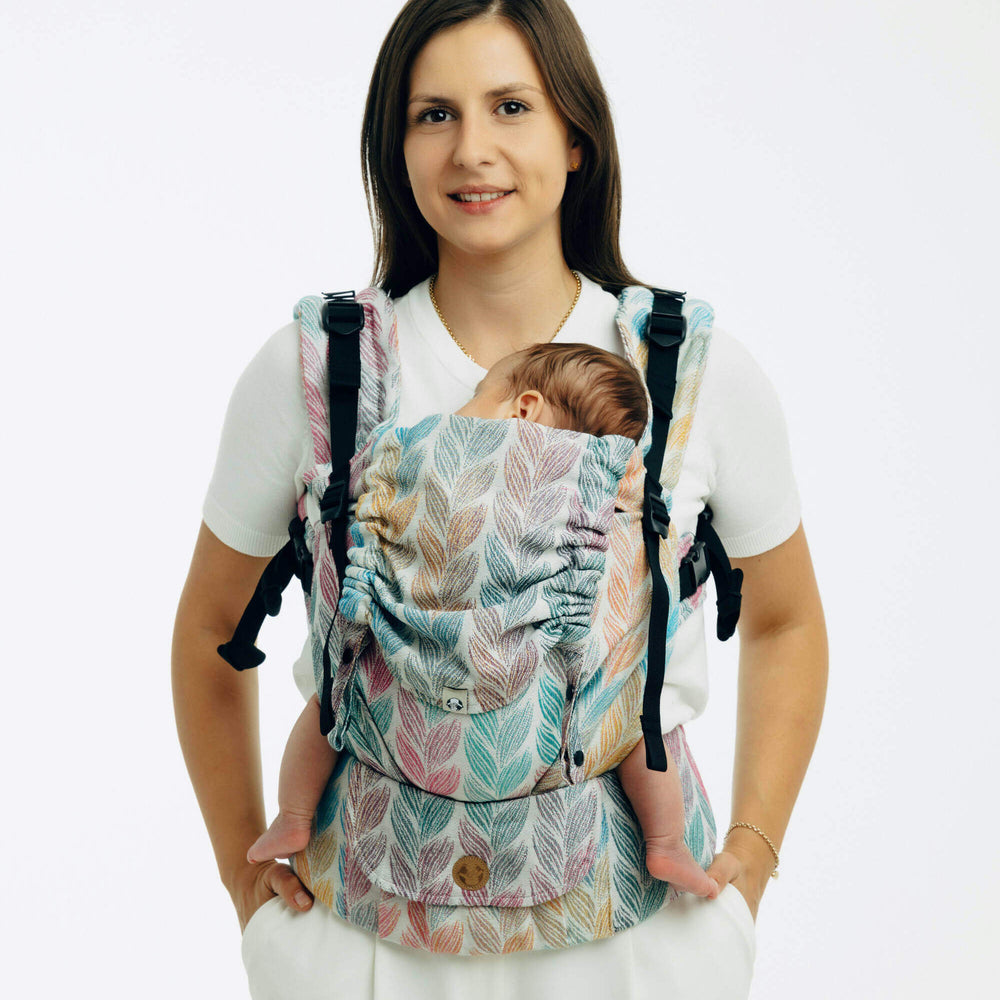
Panel height adjusters change how tall (or short) the carrier panel is up your baby’s back.
-
Lower the panel height for younger babies to ensure their head and face remain uncovered
-
Lengthen the panel height to provide support for older babies and toddlers
This adjustment helps to provide a safe panel height as your baby grows.

Perfect Fit Adjusters (PFAs)
Perfect Fit Adjusters are located where the shoulder straps attach to the top of the carrier.
They’re designed to:
- adjust the length of the shoulder strap padding to create a cosy fit for wearers of different sizes
-
pull baby in closer to your body
-
reduce gaping at the top of the carrier
PFAs are a fine-tuning tool - small adjustments here can make a big difference to comfort. They are fabulous for sharing your carrier between caregivers without losing comfort.
Note: Only LennyUpGrade PRO, Lenny Preschool and Neko Switch have PFAs - the LennyLight does not as it is designed to be a more compact and minimalist carrier.

Dual shoulder strap adjustment
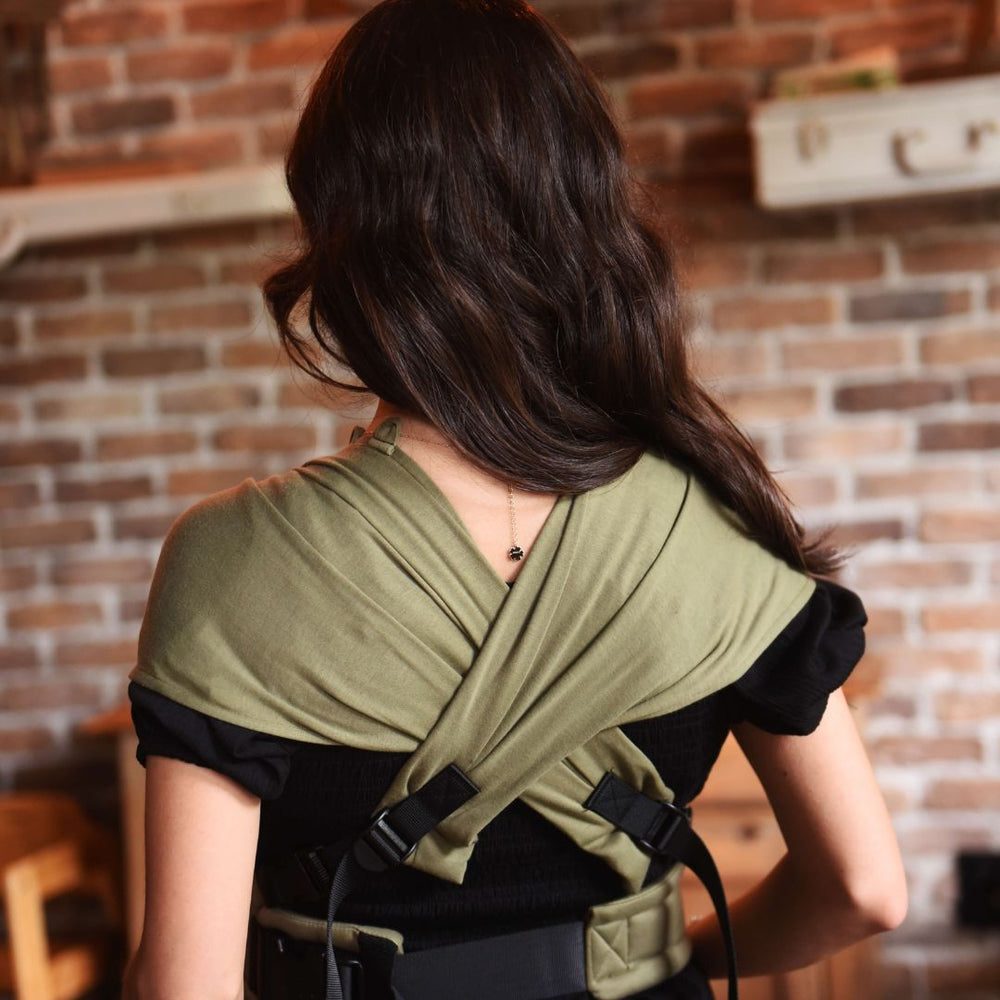
Some carriers allow you to tighten the shoulder straps in more than one place - often at both the end of the shoulder strap padding and the place where you buckle into the side of the panel.
This allows you to tighten in a way that feels intuitive for you. For example, to take slack out of the shoulder straps you might prefer to tighten from the strap at the end of the padding as this will pull the strap downwards and help to remove slack. If you don't have the shoulder mobility for that, you might prefer to pull backwards from the strap under your arm in order to tighten.

You don’t need to adjust everything at once
Here’s the part many people don’t realise:
You don’t need to get every adjustment perfect the first time.
Our advice:
-
Start with the width and height of the panel as this is more for your baby's safety than for comfort.
-
Then play around with which adjuster you want to use to tighten the straps. See how it feels to tighten from one end. See how it feels to tighten from the other. You might prefer one for back carrying and one for front carrying. You might prefer one for tightening the carrier and the other for loosening the carrier.
-
Then experiment with the PFAs - notice how it feels to have the shoulder strap padding a little longer or a little shorter. Just small tweaks, little experiments. Once you've found what works for you, you don't need to adjust it again unless you are sharing your carrier with someone else or it starts to feel uncomfortable and you need to make a small adjustment again.
Babywearing is a skill that takes practice. Feeling unsure doesn’t mean you’re doing it wrong - it means you’re learning.
Don't forget
Adjustable carriers aren’t meant to be complicated - they’re meant to be adaptable.
They’re designed to:
-
meet your baby where they are
-
support your changing body
-
grow with your family over time
With a little guidance and practice, they become intuitive, fast and incredibly supportive.






Leave a comment