




The most common question I see in online forums (and my inbox) is "can you recommend a baby carrier for me?". But recommendations are not a great way to choose a baby carrier, and I will tell you why.
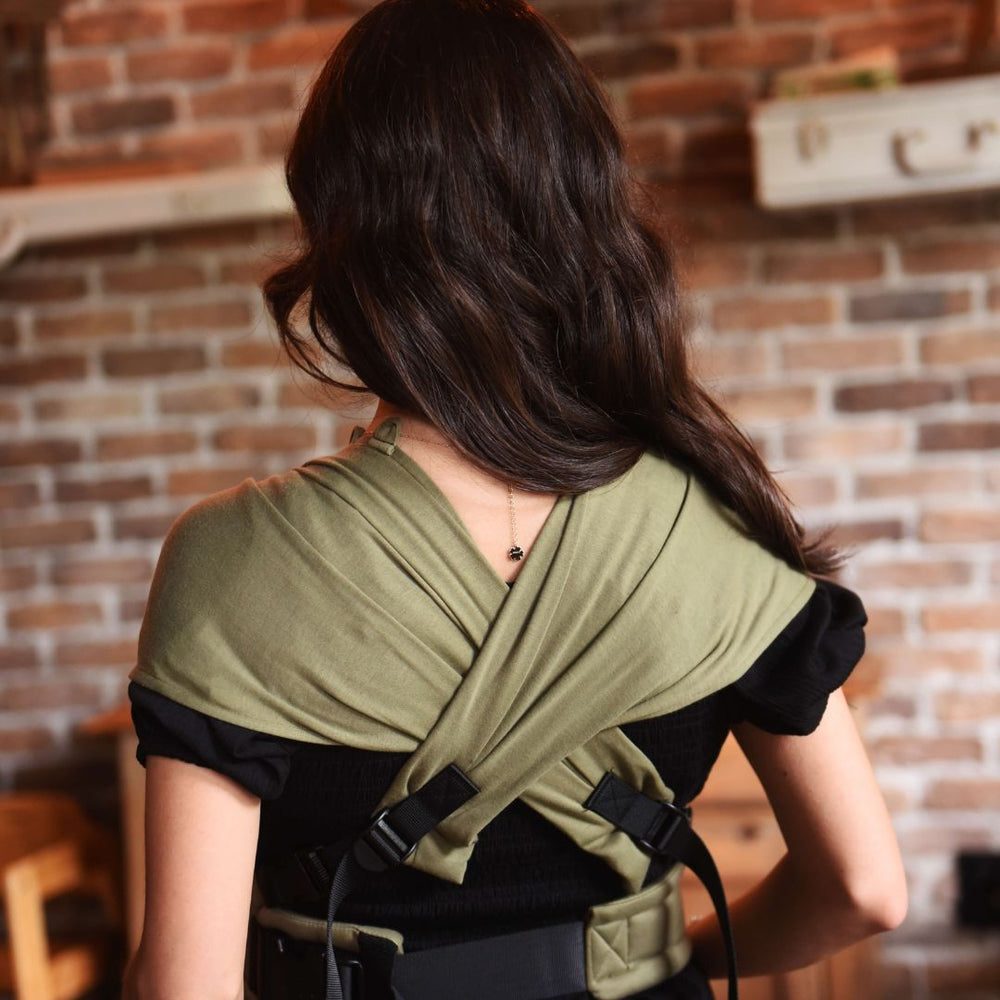
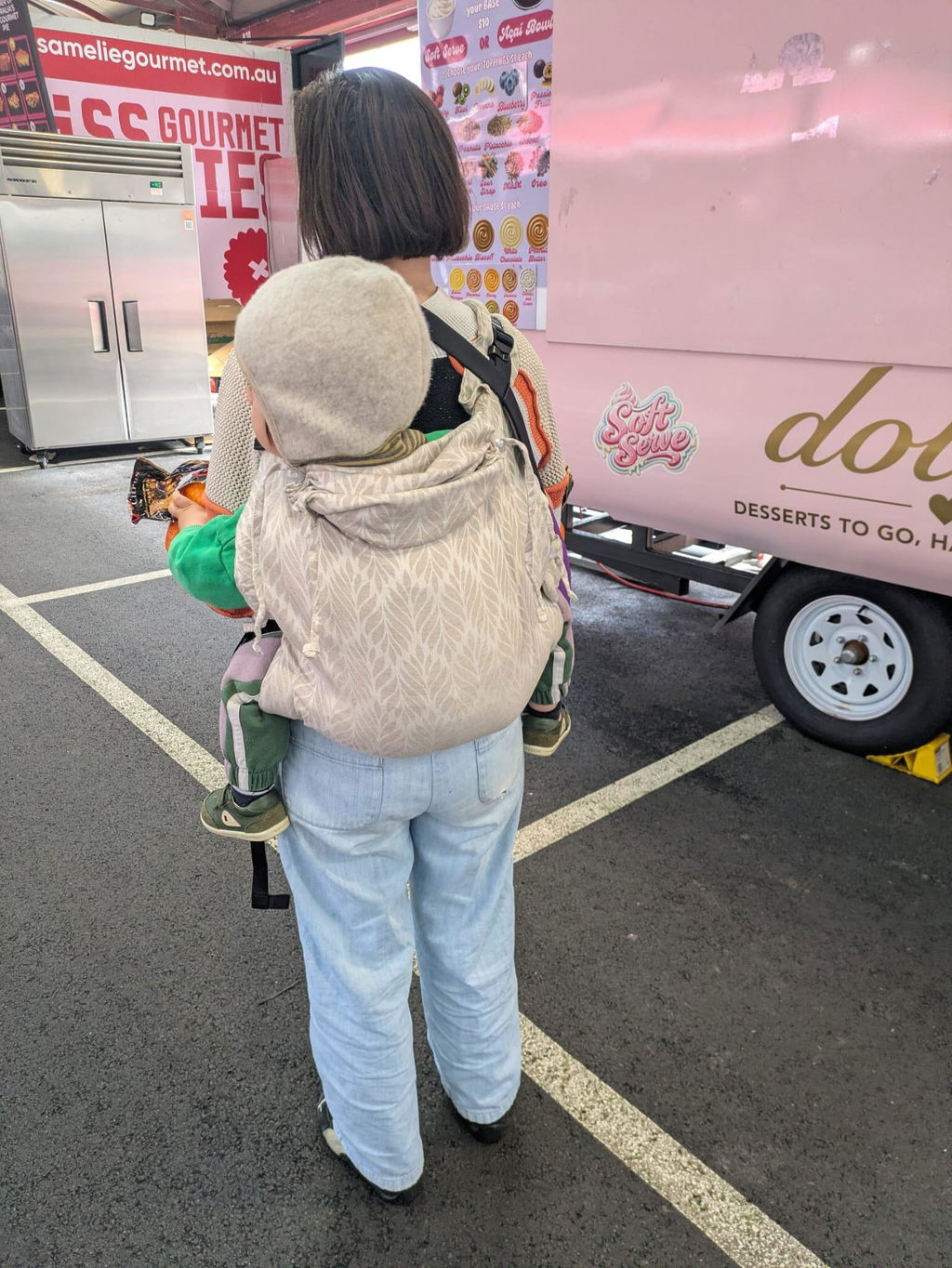
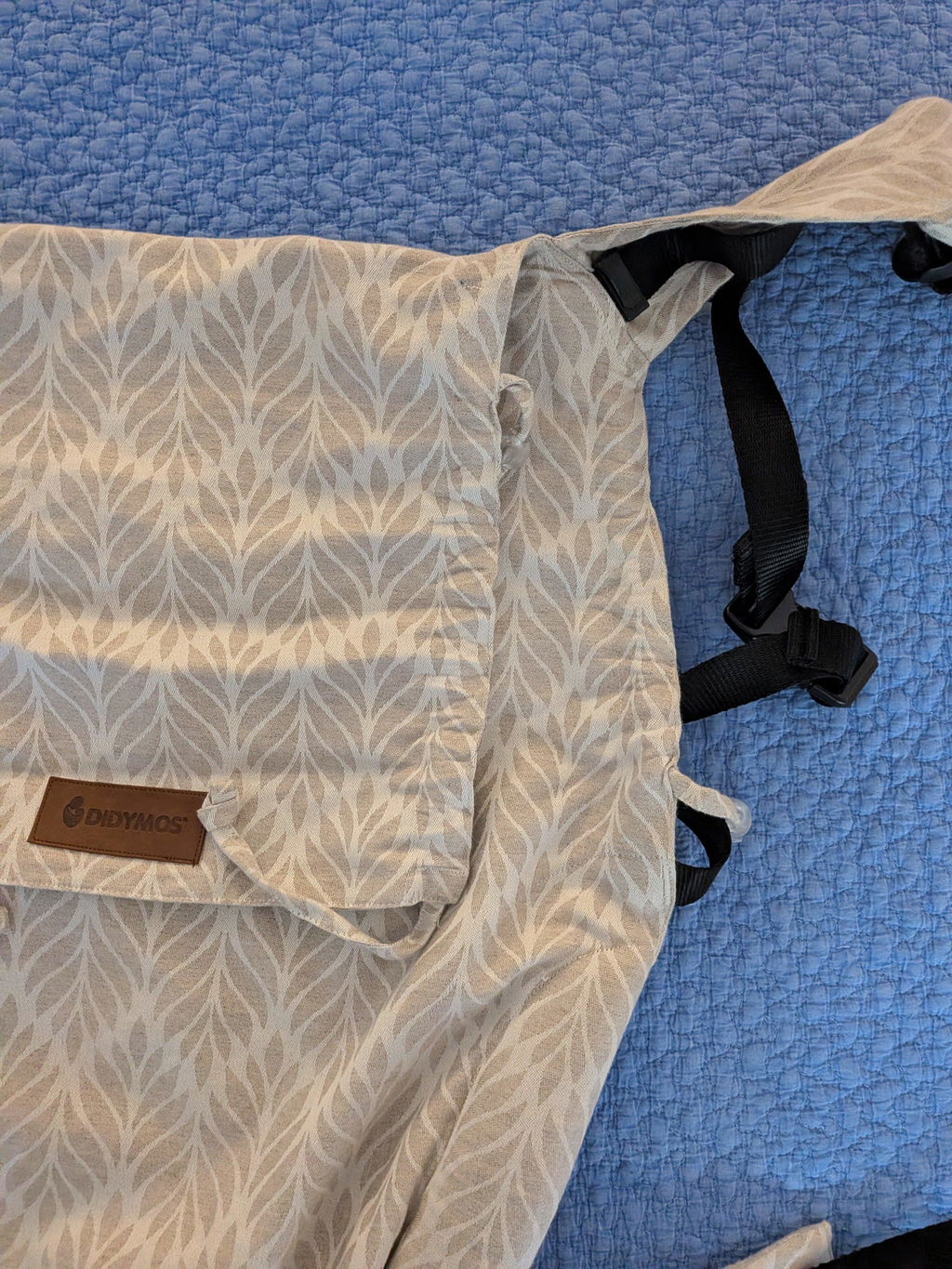
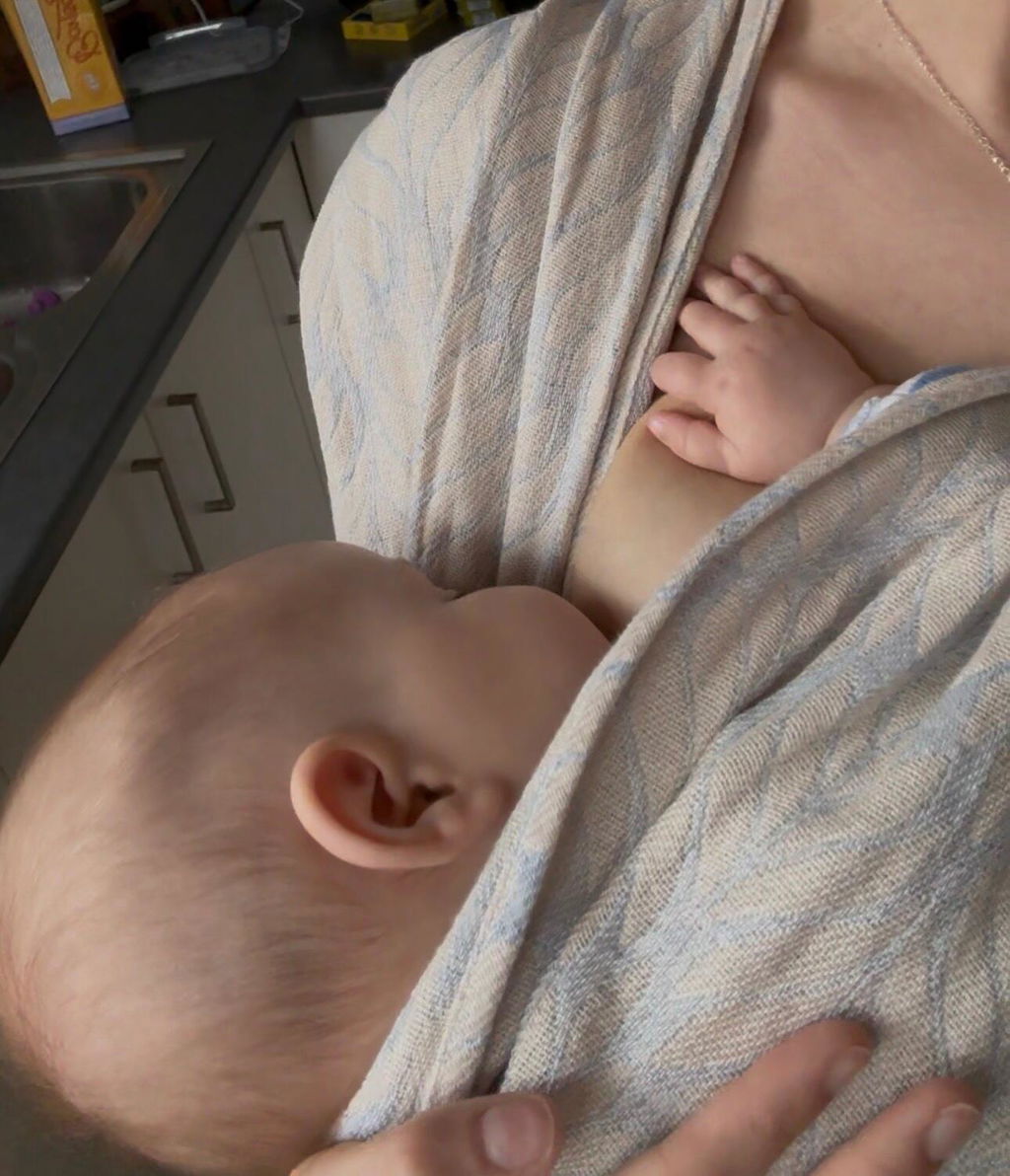
The number of baby carriers on the market is eye watering and it might seem unnecessary. But carrier fit is so personal and the carrier that will work for you and your family might not work for your best friend or neighbour.
So, when considering which baby carrier you should buy, here are three things to consider:
1) Is it safe?
2) Is it comfortable for your body?
3) Does it suit your lifestyle and priorities?
Keep reading to dive deeper.
1) Is the baby carrier safe?
Whether a carrier is safe is going to come down to a few things:
Is it the right size for your baby?
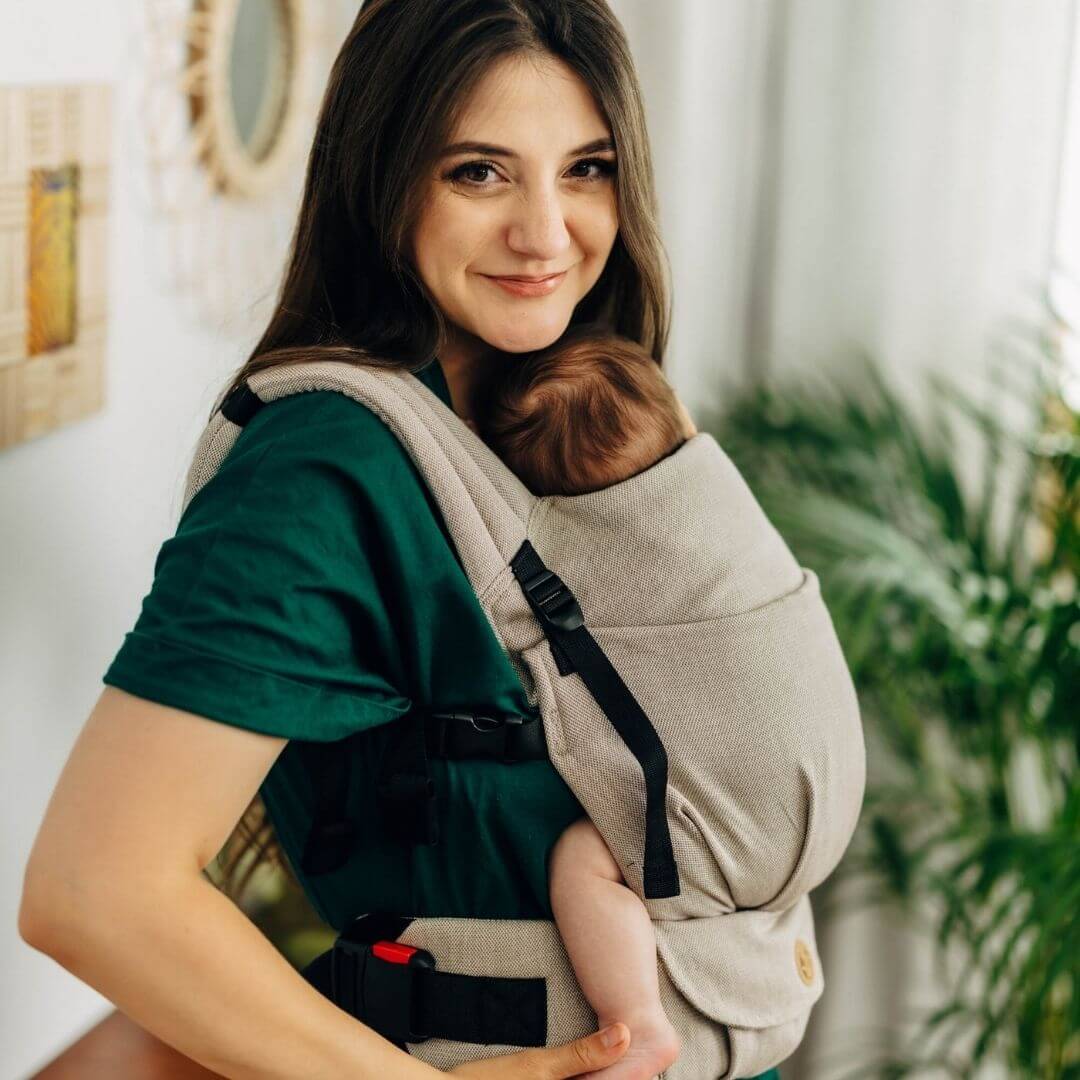
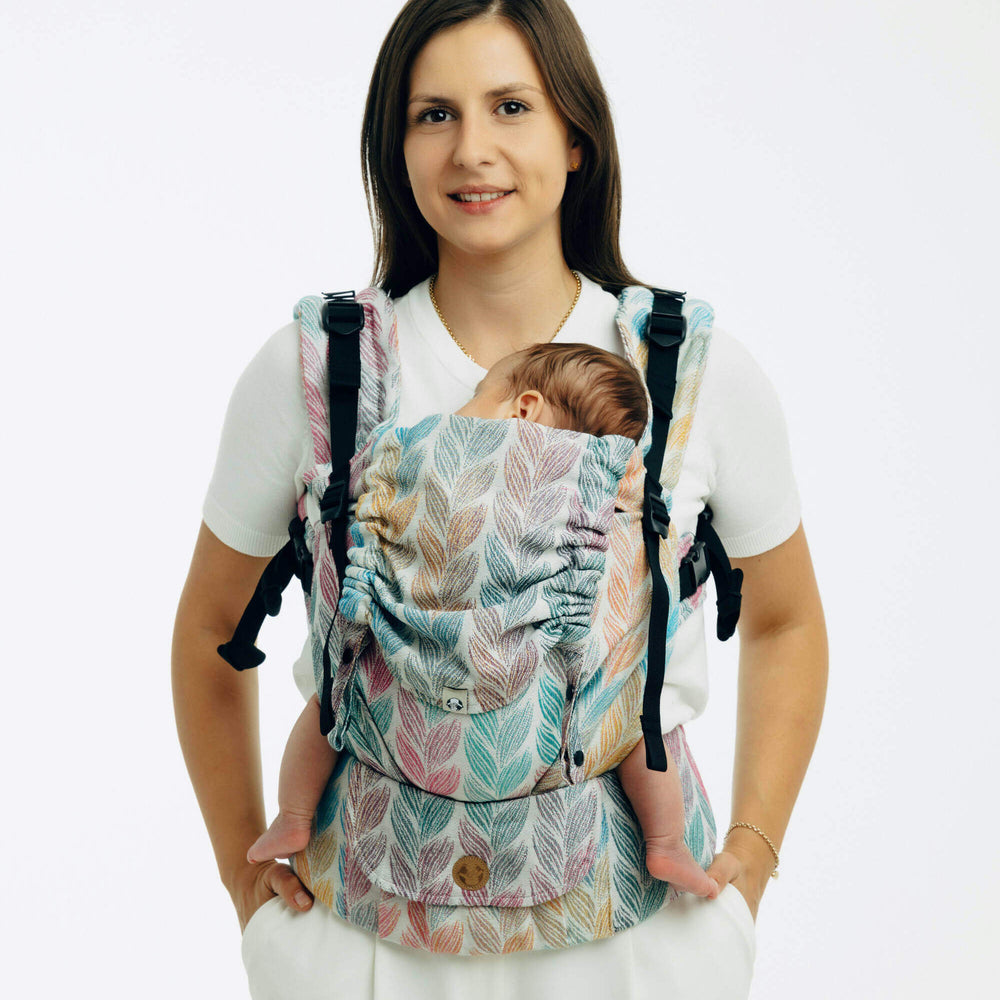
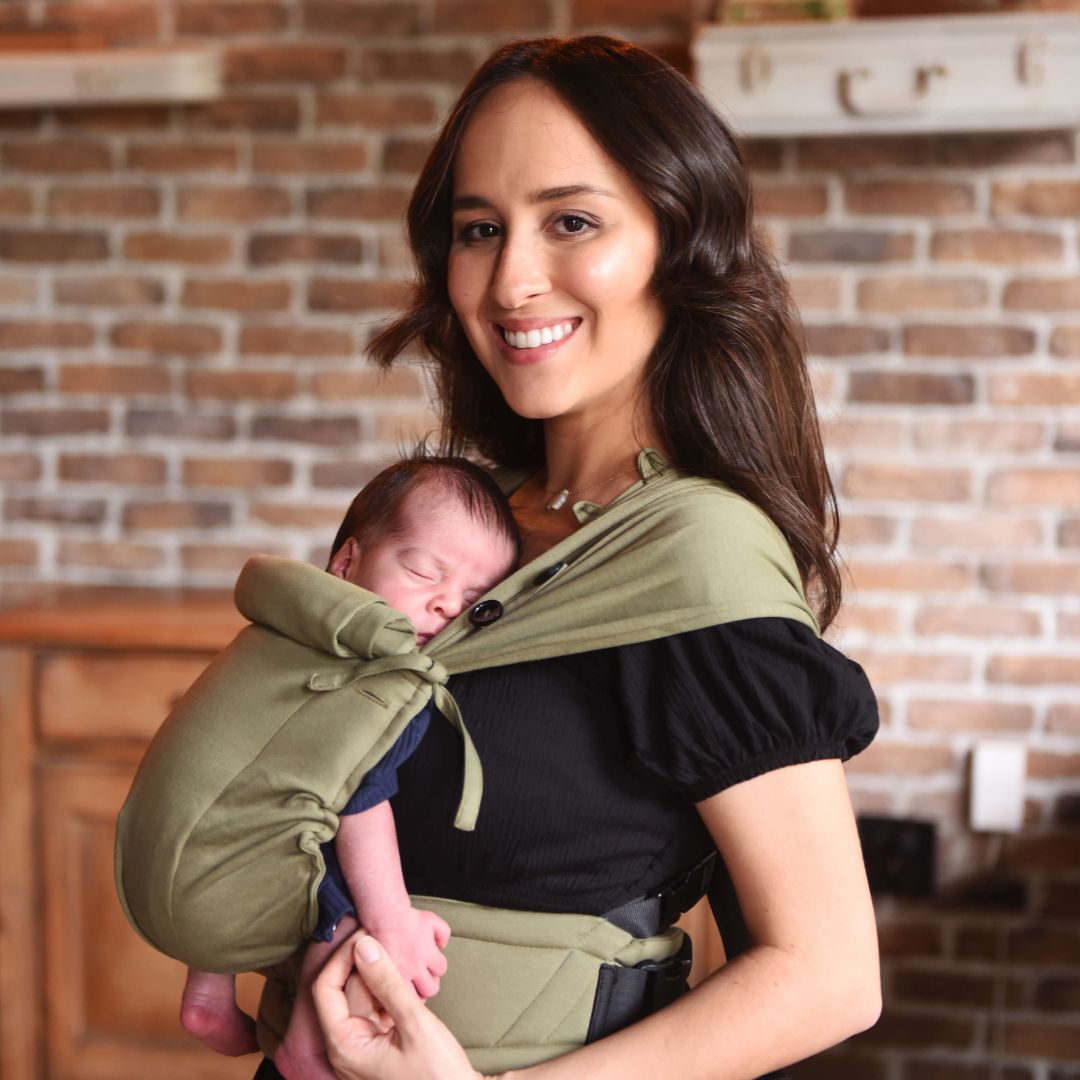
For all ages of babies, we want to ensure a carrier comes no higher than the base of baby's earlobes. Many carriers are marketed as newborn safe but they do not cinch down small enough in height to get a safe fit for a newborn in reality.
Also pay attention to the width. We want the carrier to meet baby's knee pits without pushing into their calves.
Tip: If you are planning to carry a newborn, definitely do your research about which carriers will get a safe fit for a newborn. Once your baby hits 4-6 months most carriers on the market will fit well.

Does it meet safety standards?
You might not know this, but baby carriers don't actually have safety standards in Australia. In other parts of the world, carriers have to meet standards to ensure the fabric is safe for babies and doesn't contain any toxic materials, that they are durable and use quality parts that won't break easily.
It is easy to get tempted by some of the cheap carriers that Meta ads target you with, but super cheap carriers are usually white label carriers; using the same design sold under a rotating set of brand names and dropshipped straight to you. They have usually not gone through any safety testing nor were they designed by people with babywearing safety knowledge. Buying from a reputable brand means you can trust that your baby is as safe as possible.
2) Will the carrier be comfortable for you?
Yes, we want your baby to be safe but you should not compromise your own comfort either. A carrier will be the most useful for you if both you and your baby are comfortable.
There are lots of considerations when considering which carrier might work best for you. For example:
- Your body size
- Your torso length
- Your height
- Your shoulder structure (eg: narrow shoulders, sloping shoulders)
- Your breast size
Of course, if you have any mobility or sensory considerations these should also inform your choice.
3) Will the carrier fit your lifestyle and priorities?
A wearer who wants to wear their little one for daycare drop offs and grocery trips might need a different carrier to someone who plans to do lots of contact naps or long walks using a carrier. The person who wants a carrier for travel might need a different carrier than the person who plans to mostly wear their baby at home.
Different options will differ in their ease of use, how lightweight they are, how quick they are to put on, how long they will fit your baby before you need to buy something new, etc.
Another major consideration is how much a carrier costs and whether you have the budget to buy something new or whether you need to get something secondhand.
Tip: Think about your priorities and how you see babywearing fitting into your life right now. If you think too far in the future you could get caught in analysis paralysis.
My biggest tip
There is no recommendation that anyone can give you that is better than trying things on your own body. Trying carriers on and getting a second opinion (to make sure you are getting the best fit for your body) can be invaluable and save you from many purchases that don't end up working for you.
Some ways to try carriers on:
1) Attend a free meet
2) Ask friends to borrow their carriers to try on and ask for free fit support online to ensure you are getting the best fit possible
3) Invest in a babywearing consult with a certified educator
4) Use a Try Before You Buy program or see if there is a lending library nearby
Still have questions? Ask in the comments or reach out to me anytime.




Leave a comment